
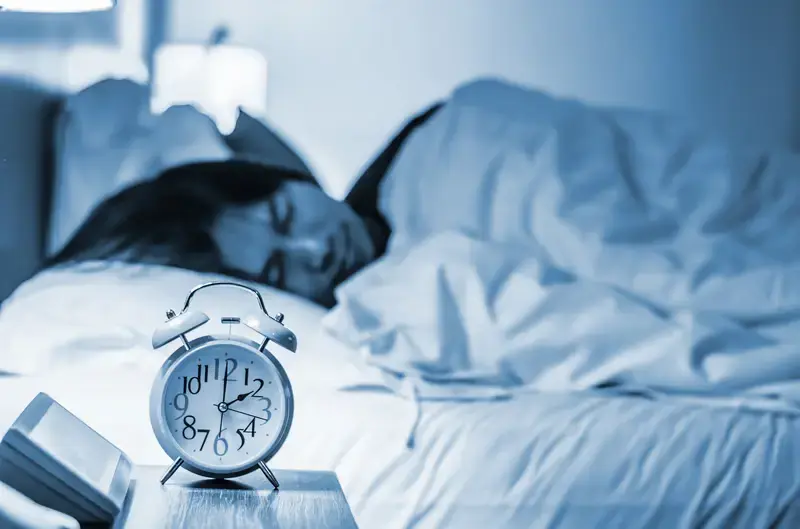
A good night’s sleep can change how an entire day feels. You wake up with a clearer mind, have more patience, and find it easier to concentrate on ordinary responsibilities. On the other hand, poor sleep can make even simple activities feel exhausting. You might spend eight hours in bed and still wake up feeling as though your body never fully recovered.
The difference is not always about how long you sleep. The timing of sleep, your internal body clock, bedroom conditions, and daily habits all influence how effectively your body moves through its natural sleep stages. This is why sleep quality deserves as much attention as sleep duration.
One important part of this process is sleep hygiene circadian alignment. It describes the relationship between healthy sleep habits and the body’s natural 24-hour timing system. When your sleep schedule works with your internal clock, falling asleep and waking up can become more predictable. Your body also gets a better opportunity to complete the biological processes associated with nighttime recovery.
Modern lifestyles can make this alignment difficult. Late-night screen use, irregular working hours, artificial lighting, caffeine, stress, and changing weekend schedules can interfere with natural sleep signals. Fortunately, these patterns can often be improved through consistent routines and a bedroom environment designed for rest.
Understanding sleep hygiene circadian alignment is not about following a rigid bedtime routine. It is about recognizing your body’s natural needs and creating daily conditions that support comfortable, restorative sleep.
Understanding the Connection Between Sleep Quality and the Body Clock
Sleep is controlled by several biological processes, but two systems are particularly important: the circadian rhythm and sleep pressure. They work together to determine when you feel alert, when you become sleepy, and how easily you maintain sleep throughout the night.
The circadian rhythm is your body’s internal timing system. It follows an approximately 24-hour cycle and influences sleep, wakefulness, hormone release, body temperature, digestion, and other biological functions. Light exposure is its strongest environmental signal. Your brain uses information about daylight and darkness to coordinate daily activities with the natural environment.
Sleep pressure works differently. It gradually increases the longer you remain awake. A chemical called adenosine contributes to this process by accumulating during waking hours. As sleep pressure increases, the desire to sleep becomes stronger. During sleep, this pressure decreases, helping you feel refreshed after waking.
Healthy sleep hygiene circadian alignment depends on coordinating these two systems rather than fighting against them. When your internal clock expects sleep at a particular time and sufficient sleep pressure has developed, falling asleep generally becomes easier.
How the Circadian Rhythm Regulates Daily Sleep Patterns
The suprachiasmatic nucleus, commonly called the SCN, is a small group of nerve cells located in the hypothalamus. It acts as the body’s central circadian pacemaker and receives information about environmental light through specialized cells in the eyes.
This information helps regulate the release of melatonin, a hormone produced by the pineal gland. Melatonin generally rises in the evening as darkness approaches and helps signal that the body is preparing for nighttime rest. Its levels usually decrease as morning light arrives.
Cortisol also follows a daily rhythm. It typically rises toward morning, supporting alertness and the transition into wakefulness. These hormonal patterns help coordinate the body’s internal schedule.
Problems can occur when daily behavior repeatedly conflicts with this biological timing. Staying under bright artificial lights late at night, sleeping at dramatically different times, or working rotating shifts can create circadian disruption.
For example, someone who wakes at 6 a.m. during the working week but stays awake until 3 a.m. on weekends may experience a pattern similar to repeatedly changing time zones. This phenomenon is often called social jet lag.
Understanding these mechanisms makes sleep hygiene circadian alignment more practical. Instead of relying only on an earlier bedtime, people can strengthen their internal clock through consistent waking times, appropriate light exposure, and predictable daily routines.
The Difference Between Sleep Duration and Restorative Sleep
Sleep duration refers to the total amount of time spent sleeping. Sleep quality involves additional factors, including continuity, timing, sleep efficiency, and how refreshed someone feels after waking.
During the night, the brain moves through non-rapid eye movement sleep and rapid eye movement sleep. Non-REM sleep includes lighter stages and deeper slow-wave sleep. REM sleep is associated with vivid dreaming and important aspects of memory processing and emotional regulation.
These stages repeat in cycles throughout the night. Their duration and distribution change as sleep progresses. Deep sleep tends to be more prominent during the earlier part of the night, while REM periods generally become longer toward morning.
This explains why regularly shortening sleep can interfere with recovery even when someone maintains a consistent bedtime. Waking several hours too early may reduce the opportunity to complete later sleep cycles.
The American Academy of Sleep Medicine and Sleep Research Society recommend that adults regularly obtain at least seven hours of sleep per night. Individual requirements vary, and some people need more.
PubMed Central (PMC)+1
A person who spends eight hours in bed but wakes repeatedly may still experience poor-quality sleep. Conversely, someone with a consistent schedule, a suitable sleep environment, and sufficient sleep duration may feel considerably more refreshed.
The objective of sleep hygiene circadian alignment is therefore to support both adequate sleep duration and the biological conditions needed for restorative rest.
Resetting Your Internal Clock Through Consistent Daily Timing
One of the most effective ways to support circadian health is to establish a predictable daily schedule. Your internal clock responds to repeated signals, including waking time, light exposure, meals, physical activity, and nighttime darkness.
An irregular routine can weaken these signals. Even when you feel tired, your body may not be ready to sleep if its internal timing system has become accustomed to a different schedule.
Establishing a Reliable Wake-Up and Bedtime Schedule
A consistent wake-up time is often a useful starting point when improving sleep routines. Going to bed and waking up at approximately the same times each day helps your body anticipate periods of activity and rest.
Suppose someone needs to wake at 7 a.m. for work. They might initially focus on maintaining that wake-up time throughout the week, including weekends. They can then create a bedtime that allows enough opportunity for sleep.
It is important not to force sleep when you are not sleepy. Instead, gradually adjust your evening routine and bedtime as your body begins responding to the new schedule.
Weekend sleeping patterns deserve attention too. Sleeping considerably later on Saturday and Sunday can make Monday morning feel unusually difficult. Maintaining reasonably consistent timing helps reduce this disruption.
However, consistency should not become an unnecessary source of anxiety. Occasional late nights are normal. What matters is the overall pattern rather than achieving identical sleep times every single day.
Using Morning Light to Strengthen Natural Sleep Signals
Morning light is one of the strongest tools for supporting circadian alignment. Exposure to natural daylight after waking helps communicate that the active part of the day has begun.
Spending time outside in the morning can be particularly helpful for people who work indoors or spend most of their day under artificial lighting. Even a short outdoor walk provides a stronger natural light signal than many indoor environments.
The exact amount of exposure needed varies with weather, season, location, and individual circumstances. The important principle is to make daylight a regular part of the morning routine.
Evening lighting requires a different approach. Bright light late at night can interfere with the biological signals that prepare the body for sleep. Dimming household lighting during the final hours before bedtime can help create a more natural transition.
The Centers for Disease Control and Prevention’s National Institute for Occupational Safety and Health explains that morning light supports alertness, while reducing bright evening light can make it easier to fall asleep.
For people following sleep hygiene circadian alignment, the combination of brighter mornings and darker evenings provides a simple but valuable daily rhythm.
Designing a Bedroom That Encourages Deeper Rest
Your bedroom is not merely a place where sleep happens. It is an environment that influences temperature regulation, sensory stimulation, comfort, and the ability to remain asleep.
A room that is too warm, noisy, bright, or uncomfortable can interrupt sleep even when your schedule is otherwise healthy. Improving the bedroom environment is therefore an important part of restorative sleep.
Finding the Right Temperature, Darkness, and Noise Levels
Temperature has a close relationship with sleep physiology. Before falling asleep, the body generally begins reducing its core temperature. An excessively warm bedroom can interfere with this process and make it harder to remain comfortable.
A bedroom temperature around 18–22°C is often used as a practical reference for many healthy adults, although personal preferences, bedding, humidity, age, and climate influence the ideal setting. Research published in 2025 highlights the importance of individual thermal comfort rather than treating one temperature as universally appropriate.
In warmer climates, breathable bedding, suitable ventilation, and fans or air conditioning can help manage nighttime heat. In colder conditions, layered bedding and comfortable clothing may provide better temperature control than excessively heating the entire room.
Darkness is equally important. Streetlights, television screens, decorative lighting, and illuminated electronic devices can create unwanted nighttime stimulation. Blackout curtains, eye masks, and covering unnecessary indicator lights can help create a darker sleeping environment.
Noise can interrupt sleep even when a person does not remember waking up. Traffic, household conversations, construction, and sudden sounds may cause brief awakenings or changes in sleep stages.
Where possible, reducing noise at its source is preferable. Earplugs may help in some circumstances, provided they are comfortable and do not prevent the sleeper from hearing important safety alarms.
Choosing Bedding and Mattresses for Physical Comfort
Physical comfort affects how easily people settle into sleep. An unsuitable mattress, uncomfortable pillow, or bedding that traps excessive heat can create repeated disturbances.
A mattress should provide appropriate support for the sleeper’s body and preferred sleeping position. Someone who sleeps on their side may prefer a different firmness level from someone who usually sleeps on their back.
Pillows should support a comfortable neck position without forcing the head too far forward or backward. Their suitability depends on sleeping posture, shoulder width, and personal comfort.
Bedding materials also deserve consideration. Breathable fabrics can help manage heat and moisture, particularly in warm or humid environments. Lightweight sheets and appropriate blankets allow sleepers to adjust their temperature throughout the night.
There is no universally perfect mattress or expensive bedding combination that guarantees restorative sleep. The practical objective is to reduce physical discomfort and avoid conditions that repeatedly interrupt rest.
Improving Air Quality and Reducing Bedroom Distractions
Indoor air quality can influence nighttime comfort. Dust, smoke, excessive humidity, and inadequate ventilation may contribute to an uncomfortable sleeping environment.
Regular cleaning helps control dust accumulation. Washing bedding, maintaining air-conditioning filters, and addressing dampness can support a cleaner bedroom.
Ventilation should also be considered. Opening windows may improve fresh-air circulation when outdoor conditions are suitable. However, people living near heavy traffic, industrial activity, or high outdoor pollution may need alternative ventilation or filtration arrangements.
Electronic distractions are another common problem. Phones placed beside the pillow can encourage late-night checking, while television screens may keep the brain engaged long after the intended bedtime.
Creating a dedicated sleep environment can help establish a psychological association between the bedroom and relaxation. Keeping work materials, unnecessary notifications, and stimulating entertainment outside the sleeping area may make it easier to settle down.
Research published in 2025 reviewing adult sleep environments highlights the combined influence of lighting, noise, temperature, air quality, and technology on sleep health.
Managing Evening Light and Digital Stimulation
Modern technology has made communication and entertainment more accessible, but it has also extended the amount of time people spend exposed to artificial light. Many individuals finish work, browse social media, watch videos, or respond to messages immediately before attempting to sleep.
The problem is not simply that screens are bright. Their content can also stimulate attention, emotional reactions, and mental activity.
Understanding Blue Light and Melatonin Production
Blue wavelengths are naturally present in daylight and help regulate alertness and circadian timing. Exposure to bright light in the evening, including light from electronic screens, can influence the body’s melatonin response.
Melatonin is an important biological signal associated with nighttime preparation. When bright light exposure continues late into the evening, the natural timing of this signal may shift.
However, blue light is not the only factor involved. Screen brightness, duration of use, viewing distance, content, and individual sensitivity all matter.
A person watching an emotionally intense television program may struggle to relax even when the screen is relatively dim. Similarly, responding to stressful work messages can keep the mind active.
Reducing unnecessary screen exposure before bedtime is therefore a practical part of sleep hygiene circadian alignment.
Creating a Relaxing Transition Away From Screens
A useful evening routine creates a gradual transition between daytime activity and nighttime rest. Instead of moving directly from work or entertainment into bed, allow some time for activities that feel calming.
Reading a physical book, listening to quiet music, taking a comfortable shower, or preparing clothes for the next morning can help reduce mental stimulation.
If phone use is unavoidable, lowering screen brightness, enabling night settings, and avoiding highly stimulating content may help. These measures do not completely remove the effects of nighttime light, but they can make screen use less disruptive.
Notifications can also be silenced to prevent unexpected interruptions. A phone can be charged away from the bed, making it less tempting to check messages repeatedly.
A consistent digital wind-down routine supports the wider principles of sleep hygiene circadian alignment by allowing the brain to move gradually toward rest rather than remaining in an alert, information-processing state.
Nutrition, Caffeine, and Exercise as Sleep Regulators
Daily eating and activity patterns influence the body’s ability to prepare for sleep. Food provides energy, caffeine stimulates the nervous system, and exercise affects both physical tiredness and circadian regulation. When these activities are timed thoughtfully, they can support a more predictable sleep schedule.
Timing Meals and Beverages Around Bedtime
Large meals immediately before bedtime can cause discomfort, particularly for people who experience acid reflux or indigestion. Digestion continues during sleep, and lying down soon after eating may make certain digestive symptoms more noticeable.
A practical approach is to finish larger evening meals a few hours before going to bed. However, individual needs vary. Someone who feels hungry at night may benefit from a small, balanced snack rather than trying to sleep while uncomfortable.
Caffeine deserves particular attention because its stimulating effects can continue for several hours. Coffee, strong tea, energy drinks, chocolate, and some soft drinks contain caffeine. Its half-life is commonly around five hours in healthy adults, although individual differences can make its effects shorter or considerably longer.
For example, someone drinking coffee at 5 p.m. may still have a meaningful amount of caffeine in their system near bedtime. People who are sensitive to caffeine may benefit from stopping consumption earlier in the afternoon.
Alcohol is another substance that can interfere with sleep. Although it may initially create drowsiness, it can disrupt normal sleep patterns later in the night. It may also worsen snoring and breathing-related sleep problems.
Hydration matters as well, but drinking large quantities of fluid immediately before bed may increase nighttime bathroom visits. Maintaining adequate hydration throughout the day can help avoid this inconvenience.
These adjustments are useful sleep hygiene circadian alignment practices because they reduce unnecessary stimulation and physical discomfort during the hours intended for rest.
Balancing Physical Activity With Evening Recovery
Regular physical activity supports overall health and can contribute to better sleep. Walking, cycling, swimming, strength training, and other enjoyable activities can help regulate daily energy levels and support emotional well-being.
Exercise also provides another opportunity to establish predictable daily timing. A person who regularly walks outdoors in the morning combines physical activity with natural daylight exposure, creating two useful signals for the circadian system.
However, the timing of exercise should reflect personal comfort. Some people can complete vigorous workouts in the evening without difficulty, while others find that intense activity close to bedtime makes them feel too alert.
A practical solution is to schedule demanding exercise earlier in the day whenever possible. Gentle stretching, yoga, or relaxed walking can be suitable evening alternatives.
People with demanding schedules should not assume that late exercise is automatically harmful. Consistency and individual response are more important than following a universal restriction.
Building a Personalized Wind-Down Routine
A wind-down routine gives the body and mind an opportunity to move away from daytime responsibilities. It does not need to involve expensive products, complicated rituals, or lengthy wellness programs.
The most effective routine is one that feels comfortable and can be repeated regularly. Some people relax through reading, while others prefer quiet music, gentle stretching, or a warm shower.
Relaxation Techniques That Prepare the Brain for Sleep
Relaxation techniques can help reduce physical tension and mental stimulation. Slow breathing is one accessible option. Breathing gently and comfortably, with a slightly longer exhalation, may encourage a calmer state.
Progressive muscle relaxation is another useful technique. It involves gently tensing and releasing different muscle groups, helping people recognize and reduce physical tension.
Mindfulness meditation can also support relaxation by encouraging attention to the present moment instead of repeatedly following stressful thoughts.
A warm bath or shower may provide additional comfort. After leaving warm water, the body gradually releases heat, which can support the natural temperature changes associated with sleep preparation.
Reading a calming book or listening to quiet audio can also create a pleasant transition. The important factor is choosing activities that reduce stimulation rather than introducing additional pressure to fall asleep.
These routines should be viewed as supportive habits rather than guaranteed treatments for persistent insomnia.
Managing Stress and Persistent Nighttime Thoughts
Mental stress is one of the common reasons people struggle to fall asleep. Work responsibilities, financial concerns, family pressures, and unfinished tasks can become more noticeable when the surrounding environment becomes quiet.
Trying to force yourself to stop thinking can sometimes make the situation worse. Instead, it may help to address worries before entering the bedroom.
Writing down important tasks for the next day can reduce the feeling that everything must be remembered overnight. Journaling can also provide a space to process difficult experiences without repeatedly revisiting them in bed.
People may benefit from setting a specific time during the evening to organize responsibilities. This creates a boundary between problem-solving and rest.
If anxiety or emotional distress repeatedly interferes with sleep, professional support may be appropriate. Cognitive behavioral therapy for insomnia, commonly called CBT-I, is an evidence-based treatment that addresses thoughts and behaviors contributing to persistent insomnia.
A healthy routine should not make bedtime another performance target. Sleep is a biological process, and creating supportive conditions is generally more productive than becoming anxious about achieving perfect sleep.
Recognizing Sleep Disruptions and Patterns That Need Attention
Occasional poor sleep is normal. Travel, stressful events, illness, unusual work schedules, and environmental disturbances can temporarily affect nighttime rest. However, repeated sleep difficulties should not automatically be dismissed as a lack of discipline.
Persistent problems may indicate an underlying sleep disorder or another health concern.
Insomnia can involve difficulty falling asleep, staying asleep, or waking earlier than intended despite having sufficient opportunity to rest. People experiencing ongoing insomnia may also notice daytime fatigue, irritability, concentration problems, and reduced motivation.
Sleep apnea is another important condition. It involves repeated interruptions in breathing during sleep and may be associated with loud snoring, gasping, choking sounds, or excessive daytime sleepiness.
Restless legs syndrome can create uncomfortable sensations and an urge to move the legs, particularly during periods of rest. This may make falling asleep difficult.
Circadian rhythm sleep-wake disorders can also affect sleep timing. Someone with delayed sleep-wake phase disorder, for example, may naturally feel alert much later than the schedule required by school or employment.
The National Institutes of Health advises discussing persistent sleep problems with a healthcare professional. Repeatedly taking more than 30 minutes to fall asleep, frequent nighttime awakenings, and significant daytime sleepiness are among the signs that deserve attention.
Health+1
A useful sleep diary can help identify patterns. Recording bedtime, wake-up time, caffeine intake, exercise, naps, and nighttime awakenings may reveal factors contributing to poor rest.
However, sleep hygiene is not a substitute for medical evaluation. People with suspected sleep apnea, severe daytime sleepiness, or persistent insomnia should seek appropriate assessment rather than relying exclusively on lifestyle changes.
Conclusion
Better sleep begins with understanding that the body follows a natural rhythm. Consistent waking times, morning daylight, reduced evening stimulation, comfortable bedroom conditions, and thoughtful nutrition can all support healthier sleep patterns.
However, no single habit guarantees a perfect night. The most effective approach combines several manageable changes and adapts them to individual needs.
By practicing sleep hygiene circadian alignment, people can develop a more balanced relationship with rest, improve their daily routines, and create an environment that supports physical and mental recovery.
A peaceful night does not begin only when your head touches the pillow. It begins with the choices you make throughout the day.