

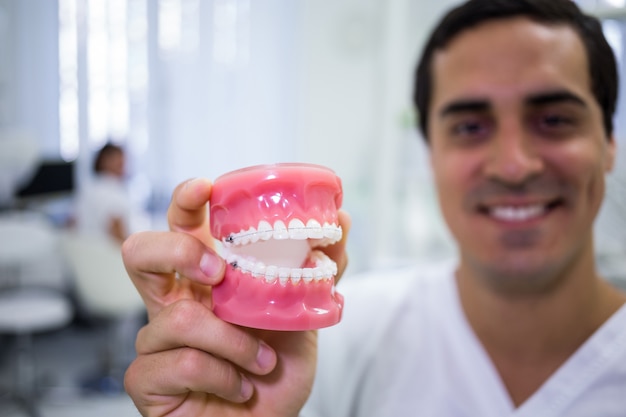
Getting new dentures is an exciting step, but eating can feel strange at first. Your mouth needs time to adjust, and your gums may feel tender while the dentures settle into place. Choosing the right foods during the first days and weeks can make meals more comfortable and help you build confidence. This guide covers six practical points on what to eat, what to avoid, and how to move gradually back to your normal diet.
1. Start With Soft, Easy-to-Chew Foods
In the first days with new dentures, soft foods put the least pressure on sore gums. Good options include scrambled eggs, mashed potatoes, oatmeal, yogurt, applesauce, and well-cooked vegetables.
Cut everything into small pieces, and avoid foods that need strong biting. Eating slowly gives your mouth time to learn how the dentures move and feel.
2. Choose Protein-Rich Foods That Are Gentle
Protein supports healing and keeps you strong, even when chewing is difficult. When you first wear new dentures, try flaked fish, tender chicken, tofu, eggs, soft beans, and smooth nut butters.
Cook meats until very tender, or shred them finely. Smoothies and soups with added protein can also help on days when your gums feel especially sensitive.
3. Include Fruits and Vegetables Safely
Nutrition still matters, so do not skip produce. With new dentures, choose bananas, ripe pears, melon, cooked carrots, steamed squash, and soft spinach.
Raw, hard items such as whole apples, raw carrots, and corn on the cob can be difficult early on. Peel, chop, or cook them until soft, and add them back gradually as comfort improves.
4. Foods and Habits to Avoid at First
Some foods can damage dentures or irritate gums. In the early weeks, new dentures may slip if you bite into sticky, hard, or crunchy items such as caramel, chewing gum, popcorn, nuts, and tough steak. Very hot foods can also burn gums that are still numb or sore.
5. Chew Smart and Eat Slowly
Technique matters as much as food choice. Try chewing on both sides of your mouth at the same time, which helps keep new dentures stable.
Take small bites, and avoid biting straight down with your front teeth, since this can tip the denture. Sip water between bites, and rest if your mouth feels tired.
6. Keep Dentures Clean and Know When to Call Your Dentist
Good care keeps your mouth healthy. Rinse new dentures after meals, brush them daily with a soft brush and a denture-safe cleaner, and remove them at night as advised.
Soreness is common at first, but persistent pain, sores, or poor fit should be checked. Follow-up visits allow your dentist to adjust the dentures for better comfort.
Final Thoughts
Adjusting to new dentures takes patience, but the right foods make the process easier. Start with soft, nutritious meals, add firmer foods slowly, and avoid anything sticky or very hard until you feel comfortable. Chew evenly, eat slowly, and keep your dentures clean. If something feels wrong, contact your dentist rather than waiting.